
How to Reduce Food Waste in Your Own Home
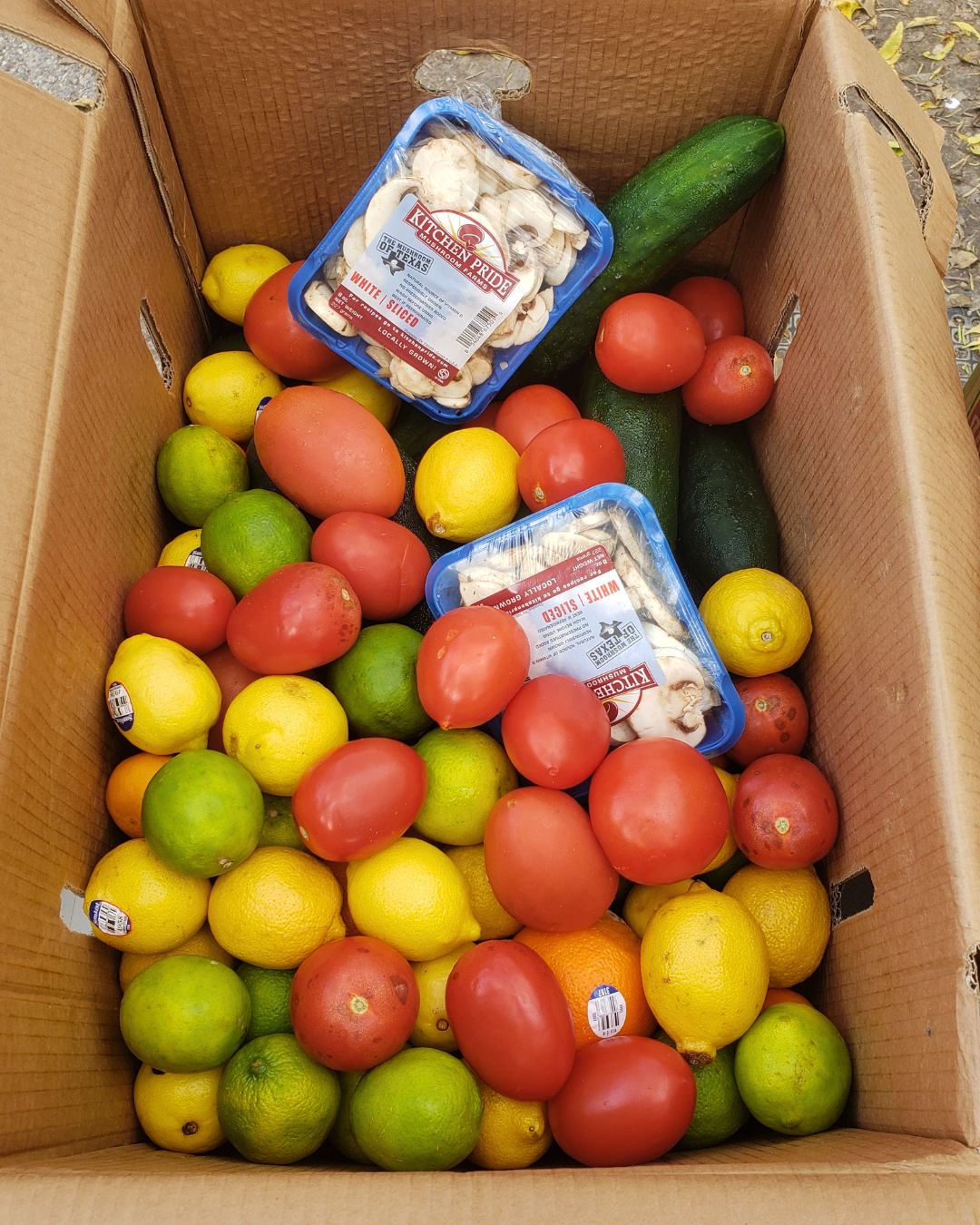
2026- Produce donated to Keep Austin Fed.
Every day, Keep Austin Fed saves roughly 2,850 pounds of fresh, nutritious food from ending up in the landfill. In 2025, our work rescuing food kept more than five metric tons of methane gas (equivalent to 1,130,000 miles driven by a gas-powered vehicle) out of the atmosphere and prevented the waste of 181 swimming pools’ worth of water.
While supporting Keep Austin Fed is an excellent way to reduce food waste and care for the environment, it is not the only approach that people can take. Between 40-50% of all food waste comes from households, and the average family of four wastes about $3,000 worth of food each year. Taking even one step toward preventing food waste at home can reduce greenhouse gas emissions, conserve water, and help fight food insecurity.
To cut down on food waste, consider:
Planning your meals
When life gets busy, it can be easy to accidentally let ingredients go to waste. To prevent food waste, take stock of the food you already have before going to the grocery store. Then, plan your meals for the week and buy only the ingredients needed for those meals. Make sure to think about how often you eat out and what you’ll realistically have time to prepare. With fewer items and a clear plan for the week, it’s easier to make sure everything gets used.
Freezing and labeling your food
To ensure your groceries stay fresh for as long as possible, try storing items like meat, bread, or sliced fruit in the freezer. Label each item with the date it was frozen so you can use older items first. Freezing food relieves the pressure to eat it right away and is a valuable resource when you don’t have time to go to the grocery store.
Finding new uses for food
With a little imagination, you can give new life to parts of food you don’t normally eat. The ends of vegetables can be used to make stock, and overly ripe bananas can become banana bread. Imperfect produce can be used in soup or smoothies, while stale bread can be turned into french toast or croutons. Finding new ways to use food provides extra nutrition and helps you get more value out of your groceries.
Getting creative with leftovers
If you don’t finish a meal or use all of your ingredients, take the opportunity to experiment with new dishes and recipes. There are several online resources, including RecipeRadar and SuperCook, that allow you to search for recipes based on available ingredients. Using leftovers creatively provides flexibility and is the perfect opportunity to try new flavors and techniques.
Donating surplus food
If you end up with more food than you can eat, consider donating your surplus food to the ATX Free Fridge Project. ATX Free Fridge is a mutual aid project that maintains four community refrigerators across Austin. Donations of fresh produce, dairy, pantry staples, canned goods, fresh, cooked meat, or prepared meals can be placed into the fridges at any time. If you donate prepared food, please make sure the meals are individually portioned and are labeled with the name of the dish, ingredients and potential allergens, and the date it was made. In addition to preventing food waste, donating surplus food provides crucial nutrition to our neighbors facing food insecurity.
Composting
Despite your best efforts, it can be easy to end up with occasional food waste. Fortunately, food that isn’t fit for consumption doesn’t have to end up in the landfill. Composting provides a sustainable alternative for items that are rotten or expired and improves soil health. Addresses served by Austin Resource Recovery can have their compost picked up weekly using their green bins. Learn more about the City of Austin’s residential compost program here or how to set up a home compost system here.
Every day, Austin sends roughly 1.24 million pounds of food to the landfill. Not only does food waste harm the environment, but it also deprives our communities of essential nutrition. By supporting Keep Austin Fed and reducing food waste at home, you can help create a more sustainable and equitable Austin for everyone.
To learn more about Keep Austin Fed’s impact on the environment, visit our website.